
Study in Germany
World-Class Education. Incredible Lifestyle. Endless Career Opportunities.
Study in Germany
Germany is one of the world’s most sought-after study destinations, offering tuition-free or low-cost education at public universities, world-class engineering and research programmes, and a powerful economy that opens doors for international graduates. From historic institutions like Heidelberg University to technical powerhouses like TUM and RWTH Aachen, Germany combines academic excellence with real career opportunity.
Home to global leaders in engineering, automotive, and technology, Germany gives international students direct access to internships, applied research, and post-study work pathways across Europe’s largest economy.
At Orbis Bound, we simplify your study abroad journey by helping you choose the right institution, prepare a competitive application, secure your student visa, and confidently begin your studies in Germany.
- Free Initial Consultation
- University Placement Support
- Visa Guidance
- Scholarship Advice

Germany at a Glance
| Feature | Information |
|---|---|
| Capital City | Berlin |
| Official Language | German |
| Currency | Euro (EUR) |
| Study Levels | Bachelor’s, Master’s, Doctorate |
| Main Intakes | September & January (varies by institution) |
| Average University Tuition | €0 (€150–€400/semester fee) at most public universities; €3,000–€12,000/year for select non-EU/Master’s programmes |
| Average College Tuition | €9,000 – €16,000 EUR/year, private colleges & business schools |
| Estimated Annual Living Costs | €7,920 – €17,400 (€660 – €1,450 per month) |
| Work While Studying | Available for eligible international students |
| Visa Financial Requirement | Blocked Account (Sperrkonto) of at least €11,208/year (€934/month) for non-EU students |

Why Study in Germany?
Germany offers a rare combination of tuition-free or low-cost education at top-ranked public universities and unmatched access to Europe’s largest economy. As a global leader in engineering, automotive manufacturing, and technology, Germany gives graduates a direct path into major multinational employers and strong post-study work opportunities.
Why International Students Choose Germany
- Tuition-free or low-cost education at most public universities
- World-renowned engineering, technology, and research programmes
- Historic institutions such as Heidelberg University alongside cutting-edge technical universities
- Home to global leaders in automotive, engineering, and industrial innovation
- Strong graduate employability and post-study work visa options
- Safe, stable, and welcoming environment for international students
- Vibrant student life across Munich, Berlin, Heidelberg, and Aachen
- Growing number of English-taught degree programmes
- Gateway to the European Union and the rest of Europe
- Streamlined visa and admissions processes for international applicants
Popular Courses
No matter your career ambitions, German universities and colleges offer programmes across virtually every discipline.
- Mechanical & Automotive Engineering
- Computer Science & AI
- Medicine & Life Sciences
- Law
- Humanities
- Business Administration & Management
- International Business
- Data Science & IT
- Marketing & Entrepreneurship
- Applied Sciences
- Social Sciences & Natural Sciences
- Finance & Economics
- Industrial Design
- Global Management
- Executive & Professional Training
Featured Universities in Germany
A curated selection of flagship public universities in Germany.
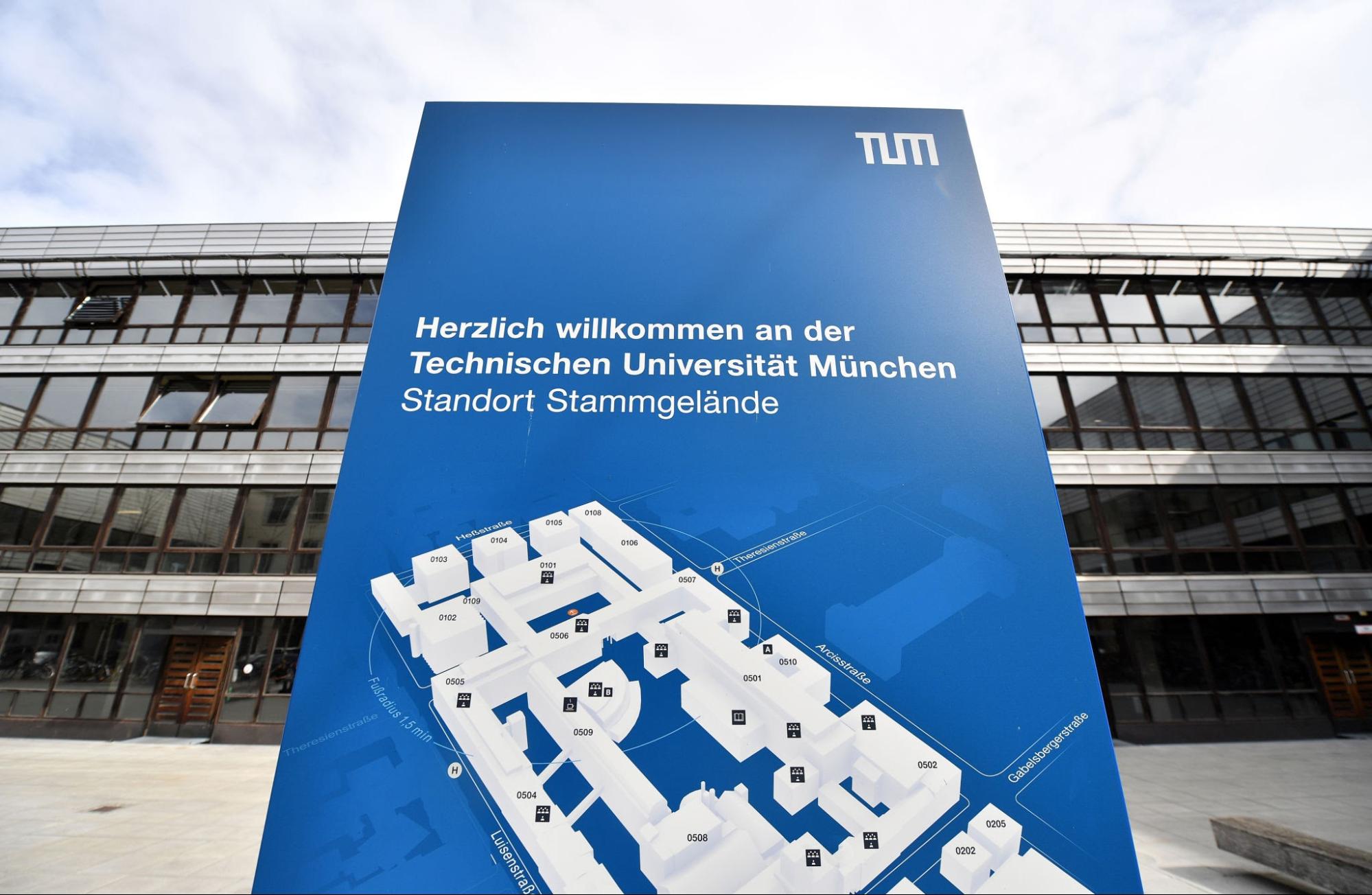
Technical University of Munich (TUM)
📍 Location: Munich, Germany
💰 Average Tuition: €0 (€150–€400/semester fee); €4,000–€12,000/year for select Non-EU Master’s programmes
🏠 Estimated Living Costs: €10,800–€17,400 (Munich)
Why Students Choose It
- Germany’s top-ranked technical university
- World-renowned for engineering, computer science, and technology innovation
- Strong industry links across Munich’s tech and automotive sector

Ludwig Maximilian University of Munich (LMU)
📍 Location: Munich, Germany
💰 Average Tuition: €0 (€150–€400/semester fee)
🏠 Estimated Living Costs: €10,800–€17,400 (Munich)
Why Students Choose It
- One of Europe’s premier research institutions
- Rich history across medicine, law, and natural sciences
- Located in the heart of Munich’s academic district

Heidelberg University
📍 Location: Heidelberg, Germany
💰 Average Tuition: €0 (€150–€400/semester fee)
🏠 Estimated Living Costs: €7,920–€12,360 (smaller cities)
Why Students Choose It
- Germany’s oldest university, founded in 1386
- Famous for life sciences, medicine, and humanities
- Classic university town setting with a strong international community
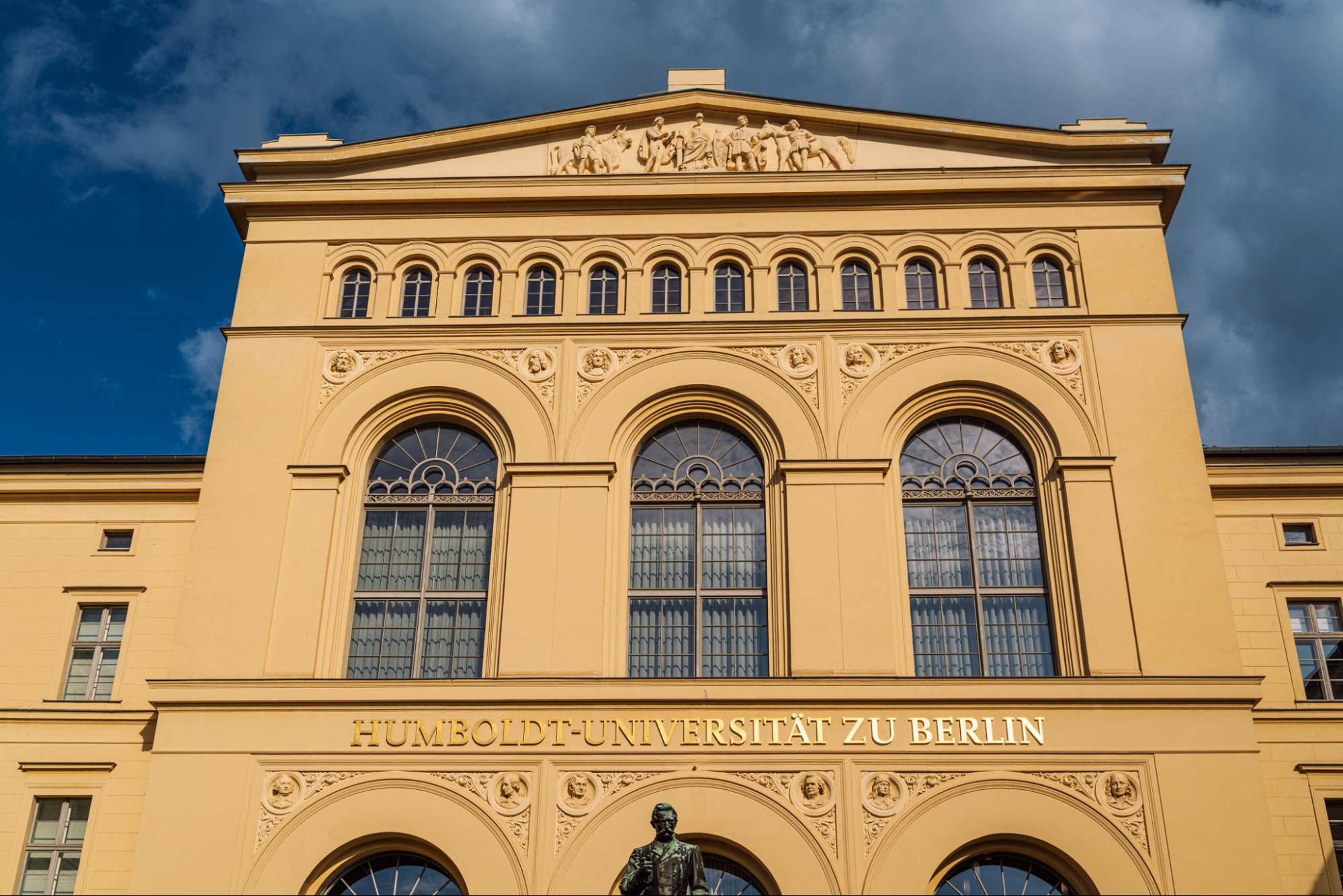
Humboldt University of Berlin
📍 Location: Berlin, Germany
💰 Average Tuition: €0 (€150–€400/semester fee)
🏠 Estimated Living Costs: €10,800–€17,400 (Berlin)
Why Students Choose It
- Located in central Berlin, Germany’s capital
- Pioneered the modern research university model
- Strength across social sciences and the arts
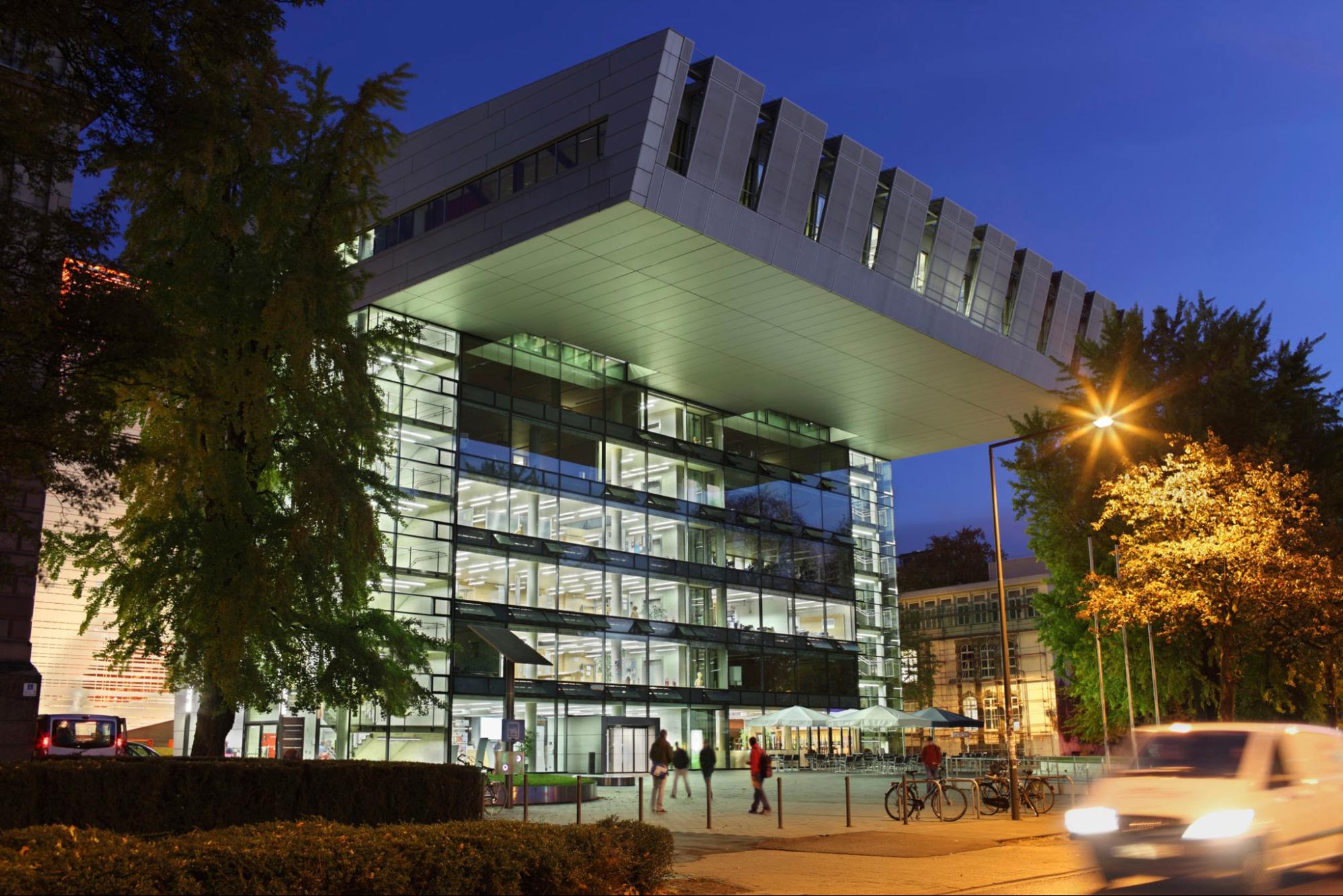
RWTH Aachen University
📍 Location: Aachen, Germany
💰 Average Tuition: €0 (€150–€400/semester fee)
🏠 Estimated Living Costs: €7,920–€12,360 (smaller cities)
Why Students Choose It
- A leading technical university in Germany
- Strongly connected with Germany’s engineering and industrial sectors
- Vibrant international student community in Aachen
Career-Focused Private Colleges & Applied Universities in Germany
A curated selection of private colleges and applied universities in Germany.
IU International University of Applied Sciences
📍 Location: Germany (multiple campuses; online & on-campus)
💰 Average Tuition: €9,000–€16,000/year
🏠 Estimated Living Costs: €7,920–€17,400 depending on city
Why Students Choose It
- Germany’s largest private university
- Flexible, career-focused online and on-campus degrees taught in English
- Strong industry partnerships across multiple disciplines
CBS International Business School
📍 Location: Cologne, Mainz & Berlin, Germany
💰 Average Tuition: €9,000–€16,000/year
🏠 Estimated Living Costs: €10,800–€17,400 depending on city
Why Students Choose It
- Specialized business school with three German campuses
- Focus on management and marketing
- Small class sizes with an international student body
Lancaster University Leipzig
📍 Location: Leipzig, Germany
💰 Average Tuition: €9,000–€16,000/year
🏠 Estimated Living Costs: €7,920–€12,360 (Leipzig)
Why Students Choose It
- A branch campus of the UK’s Lancaster University
- Delivers British degrees directly in Germany
- Combines UK academic standards with German living costs
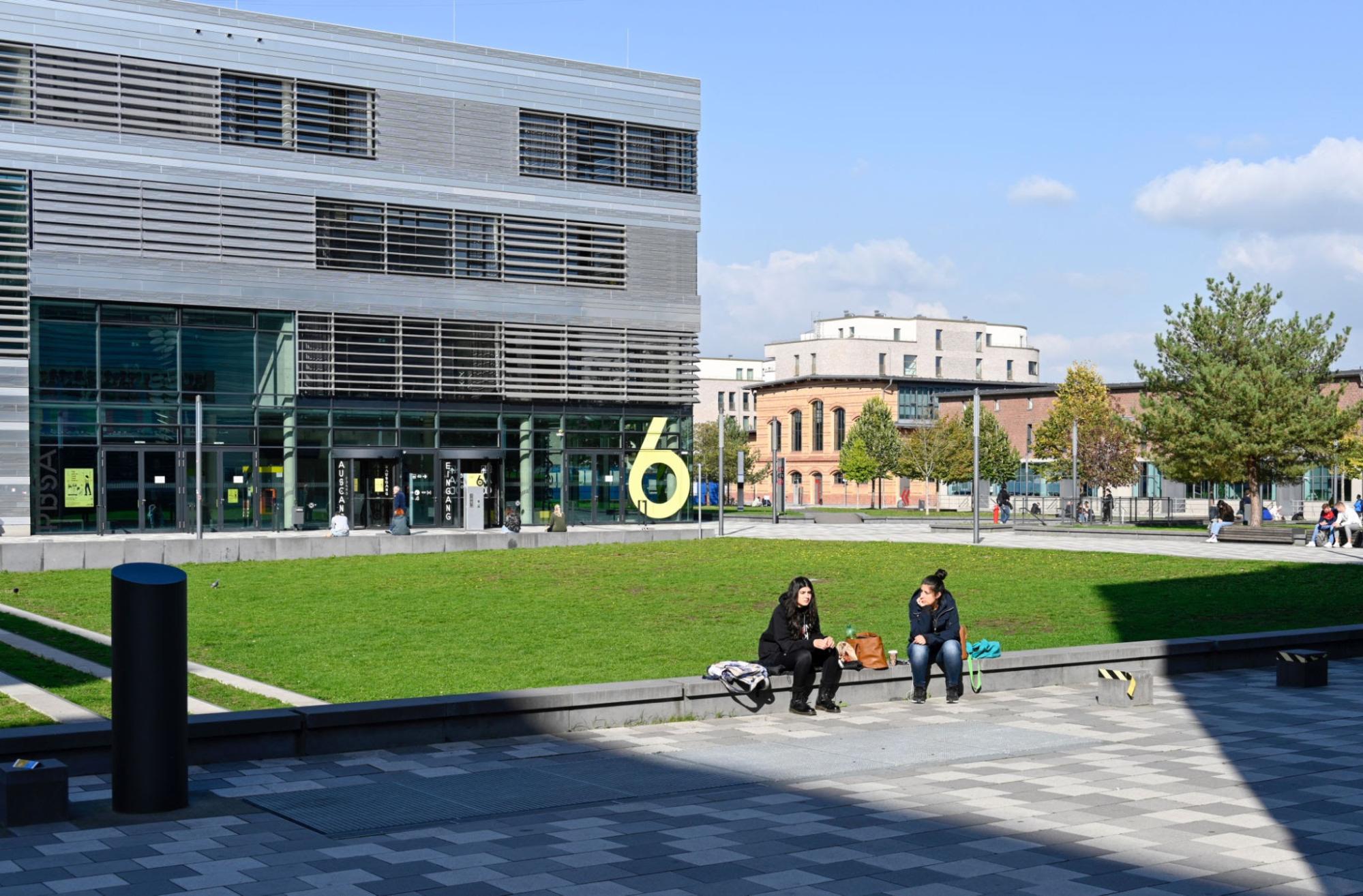
Gisma University of Applied Sciences
📍 Location: Potsdam & Berlin, Germany
💰 Average Tuition: €9,000–€16,000/year
🏠 Estimated Living Costs: €10,800–€17,400 (Berlin/Potsdam)
Why Students Choose It
- Tech and business-focused institution
- Strong industry networking opportunities
- Campuses in Potsdam and Berlin
Munich Business School (MBS)
📍 Location: Munich, Germany
💰 Average Tuition: €9,000–€16,000/year
🏠 Estimated Living Costs: €10,800–€17,400 (Munich)
Why Students Choose It
- Leading private business school
- Known for international management and entrepreneurship
- Strong focus on executive training
Tuition Fees & Living Costs
Estimated Annual Tuition Fees
| Institution Type | Student Status | Average Annual Tuition |
|---|---|---|
| Public Universities (Most States) | All Students (EU & Non-EU) | €0 (€150–€400/semester fee) |
| Public Universities (Baden-Württemberg) | Non-EU Students | €3,000/year (€1,500/semester) |
| Public Universities (TUM – Select Master’s) | Non-EU Students | €4,000 – €12,000/year |
| Private Colleges & Business Schools | All International | €9,000 – €16,000/year |
Tuition varies by institution, state, and programme; most public universities charge only a low administrative semester fee, while select Master’s programmes and private institutions carry higher costs.
Estimated Monthly Cost of Living
International students should budget for accommodation, food, health insurance, and utilities while studying in Germany.
| Expense Category | Munich, Berlin & Frankfurt | Leipzig, Aachen & Smaller Cities |
|---|---|---|
| Rent & Accommodation | €500 – €900/month | €300 – €550/month |
| Groceries & Food | €200 – €300/month | €180 – €250/month |
| Health Insurance (Mandatory) | €120 – €130/month | €120 – €130/month |
| Semester Ticket / Public Transport | Included in Semester Fee | Included in Semester Fee |
| Internet, Mobile & Utilities | €80 – €120/month | €60 – €100/month |
| Total Monthly Budget | €900 – €1,450/month | €660 – €1,030/month |
These estimates provide a guide for financial planning and may vary depending on your lifestyle and study location. Non-EU students must also deposit at least €11,208/year (€934/month) into a Blocked Account (Sperrkonto) as part of the German student visa process.

Admission Requirements
While admission requirements vary between universities and programmes, applicants generally need:
- Academic certificates and transcripts
- Valid passport
- Personal statement
- Recommendation letters (where required)
- Proof of English language proficiency (where applicable)
- Financial documentation
- Updated CV for postgraduate programmes
Our advisors will guide you through the specific requirements for your chosen university.
How OrbisBound Helps You
Applying to study abroad doesn’t have to be overwhelming. We simplify every stage of the process so you can focus on preparing for your future.
Step 1: Free Consultation
We learn about your academic background, career goals, and preferred study destination.
Step 2: University Matching
Our advisors recommend universities and programmes that best fit your profile.
Step 3: Application Support
We help prepare and submit strong applications, ensuring all required documents are complete.
Step 4: Offer & Acceptance
We guide you through receiving and accepting your university offer.
Step 5: Student Visa Assistance
Receive expert support throughout your visa application process.
Step 6: Prepare for Departure
We provide pre-departure guidance to help you confidently begin your studies.